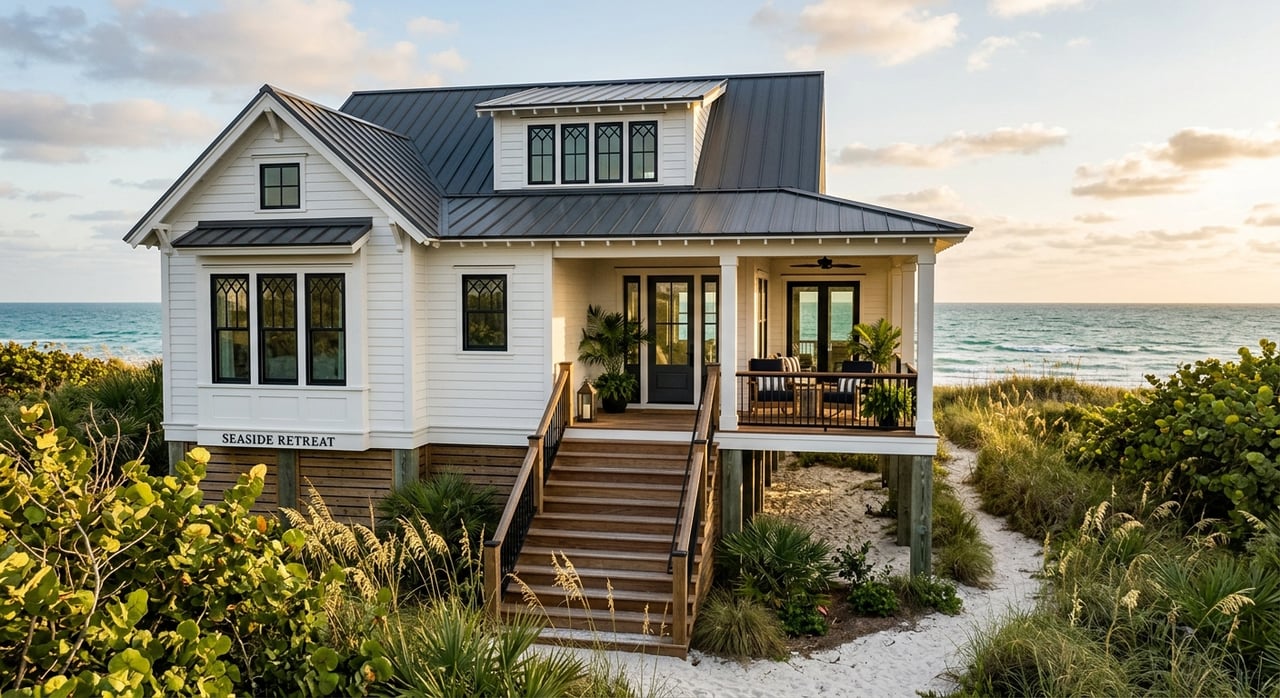
Trying to choose between a South Gulf Beaches condo and a beach cottage? It sounds simple until you start looking at flood zones, insurance costs, rental rules, and upkeep. If you want a home that fits your lifestyle and your budget, the details matter here more than most buyers expect. This guide will help you compare both options in a practical way so you can make a smarter move with more confidence. Let’s dive in.
Why this choice is different here
In the South Gulf Beaches area, the decision is not only about whether you want shared amenities or a private yard. It is also about how each property type handles coastal risk, ongoing costs, and local rules. Because this area includes more than one municipality and unincorporated areas, the rules can change from one property to the next.
That matters most if you plan to rent the home, use it seasonally, or buy an older coastal property. A condo may have association rules that limit use, occupancy, or transfers. A beach cottage may give you more freedom, but you still need to confirm city or county rules before you buy.
Flood exposure should be a first step
Before you fall in love with any property on the Gulf Beaches, check the flood zone and evacuation zone. Pinellas County advises buyers to review both before purchasing, and it also notes that flood insurance is separate from a standard homeowners policy. In other words, your regular policy usually does not cover flood damage.
This applies to both condos and cottages. If you are financing the purchase with a federally backed mortgage and the property is in a FEMA Special Flood Hazard Area, flood insurance may be required by your lender. Even if you are looking at a higher-floor condo, severe flooding can still affect building access, utilities, or other systems and make the property temporarily uninhabitable.
Condo living in South Gulf Beaches
A condo often works well if you want a more managed ownership experience. Under Florida law, the association is generally responsible for common elements, and many building-wide costs are treated as common expenses. That can include operation, maintenance, repair, replacement, insurance, security, communications, and hurricane protection.
For you, that usually means fewer day-to-day repair decisions. You may not be coordinating roof work, exterior painting, or other shared building issues yourself. The tradeoff is that you are relying more heavily on the association’s financial health, maintenance plan, and leadership.
What condo fees often cover
Condo fees are not just a line item for a pool or lobby. In many cases, they are part of the building’s long-term maintenance and capital planning. Florida law defines common expenses broadly, which is why monthly dues can be a meaningful part of your true ownership cost.
That does not mean condos are always more expensive overall. It means the costs are often more predictable month to month, but they are also less flexible because the association sets them. Special assessments can also become part of the picture depending on the building’s needs.
Why older condo buildings need extra review
For coastal condo buyers, building age matters. Florida now requires structural integrity reserve studies at least every 10 years for residential condominium buildings that are three habitable stories or higher. Milestone inspections are also required for buildings of that height when they reach 30 years of age, and every 10 years after that.
Before closing, condo buyers are entitled to receive important association documents. These can include the declaration, bylaws, budget, financial statements, and, when applicable, milestone inspection and reserve study materials. Reviewing these documents can tell you a lot about the building’s condition, planning, and financial readiness.
Beach cottage ownership on the Gulf Beaches
A beach cottage usually offers a different kind of appeal. You often get more privacy, more direct control over the property, and fewer shared walls or building-wide rules. If you value outdoor space and the ability to personalize your home more freely, a cottage may feel like a better lifestyle fit.
But with that freedom comes more responsibility. As the owner, you are usually handling more of the repair planning, vendor coordination, storm recovery decisions, and property upkeep yourself. On a barrier island, that can become a major part of ownership.
Permits and repairs matter more with cottages
Pinellas County’s permitting process is important for cottage buyers to understand. Exterior work, new construction, and some zoning clearances may require permit review, site plans, and sometimes city preapproval. If you plan to renovate, repair, or expand the property, permitting can affect your timeline and budget.
That is why a cottage can look simpler on paper but become more variable in real life. A condo may spread many building costs across owners, while a cottage puts those decisions directly in your hands. Some buyers love that control, and others prefer a more managed setup.
Budget differences to expect
When buyers compare condos and cottages, they often focus on the purchase price first. In South Gulf Beaches, it is just as important to compare how ownership costs show up over time. The monthly number and the surprise costs can look very different depending on the property type.
Here is a simple way to think about it:
| Property Type | Common Cost Pattern | What to Watch Closely |
|---|---|---|
| Condo | More recurring association dues and possible assessments | Building financials, reserve studies, inspections, association rules |
| Beach cottage | Fewer shared monthly costs but more direct repair and upkeep expenses | Roof, exterior, landscaping, storm repairs, permitting needs |
A condo may feel easier to budget for month to month. A cottage may offer fewer recurring fees, but the cost swings can be bigger when major work comes up.
Insurance and taxes can shift the math
Flood insurance should be part of your budget planning no matter which option you choose. Pinellas County notes that most homeowners policies do not cover flood damage, flood insurance has a 30-day wait period, and policies can be written for building coverage, contents coverage, or both. Flood risk is also not limited to oceanfront lots.
Taxes can also look different depending on how you plan to use the property. Pinellas County says the homestead exemption applies only if the home is your permanent Florida residence as of January 1. The exemption ends if the property is rented or is no longer your homestead.
That is especially important for second-home buyers. Save Our Homes limits annual assessed-value increases only for homesteaded property, while non-homestead property has a separate 10% assessment cap. If you are buying a seasonal place or vacation property, your tax picture may be closer to market value than you expect.
Rental plans need early verification
If rental income matters to you, do not assume either property type automatically gives you more flexibility. In this coastal market, local rules and property-specific restrictions can be just as important as the home itself. This is one of the biggest reasons buyers should confirm details before making an offer.
For example, unincorporated Pinellas County requires a Certificate of Use for short-term rentals used more than three times per year for stays under 30 days. In St. Pete Beach, monthly rentals are allowed in residences, but many stays under 30 days are restricted by zoning district and can require additional licensing for transient lodging uses.
Condos add another layer. Florida law allows condo declarations to regulate use, occupancy, and transfer, so the building may limit leasing even if the city allows it. If rental flexibility is part of your plan, you need to verify city zoning, licensing requirements, and any condo or HOA rules before you move forward.
Which option fits your lifestyle best?
A condo often fits buyers who want a lock-and-leave property with lower day-to-day maintenance. It can also make sense if you prefer shared amenities and a more structured ownership setup. If you do not want to manage every exterior issue yourself, this route may feel more comfortable.
A beach cottage often fits buyers who want privacy, more outdoor space, and more control over the property. It may be a strong choice if you are comfortable managing upkeep and want fewer shared restrictions. For many buyers, the right answer comes down to how hands-on you want to be after closing.
A practical pre-offer checklist
Before you write an offer, it helps to compare each property type with the same checklist. That can keep emotion from taking over and help you spot expensive surprises early.
Condo checklist
- Review the declaration, bylaws, and rules
- Read the annual budget and financial statements
- Ask for milestone inspection documents, if applicable
- Ask for reserve study materials, if applicable
- Confirm rental, occupancy, and transfer restrictions
- Check flood zone and evacuation zone
- Price out flood insurance and other coverage
Beach cottage checklist
- Check flood zone and evacuation zone
- Get insurance quotes early
- Review permitting history if available
- Understand local rental rules for the exact property location
- Budget for exterior repairs and storm-related upkeep
- Confirm whether planned improvements may require permits
Make the decision with the full picture
On the South Gulf Beaches, choosing between a condo and a beach cottage is really about choosing your version of coastal ownership. One offers more shared responsibility and more predictable management. The other offers more privacy and control, but also more direct exposure to repairs, permitting, and maintenance.
The best choice is the one that matches how you plan to live, use, and budget for the property. If you want help comparing condos, cottages, flood considerations, association documents, or rental restrictions across the Gulf Beaches, the team at Orns Solution can help you sort through the details with a calm, local, and strategic approach.
FAQs
What should you check first when buying in South Gulf Beaches?
- Start with the flood zone, evacuation zone, insurance outlook, and any rental restrictions tied to the exact property location.
How are South Gulf Beaches condos different from beach cottages?
- Condos usually shift more maintenance and building costs to the association, while beach cottages give you more privacy and control but also more direct upkeep responsibility.
Can you rent out a South Gulf Beaches condo or cottage short term?
- Possibly, but you need to verify the local city or county rules, zoning, licensing requirements, and any condo or HOA restrictions for that specific property.
Why do older South Gulf Beaches condos need closer review?
- Older condo buildings may be subject to milestone inspections and structural integrity reserve study requirements, so buyers should review association documents carefully before closing.
Do you need flood insurance for a South Gulf Beaches property?
- Flood insurance should be budgeted separately because standard homeowners policies usually do not cover flood damage, and lender requirements may apply in certain flood zones.