If you picture all of St. Petersburg’s waterfront the same way, you may miss the real story. Along Tampa Bay, the city’s shoreline changes block by block, from walkable condo towers near downtown to historic streets by Coffee Pot Bayou to quieter canal-front areas where water access comes with more upkeep. If you are trying to decide where to buy, sell, or move within St. Petersburg, understanding those differences can save you time and help you focus on the right fit. Let’s dive in.
Waterfront in St. Petersburg is not one market
St. Petersburg’s waterfront is best understood as a series of distinct lifestyle zones, not one uniform neighborhood. The city’s Downtown Waterfront Master Plan describes about seven miles of contiguous waterfront stretching from Coffee Pot Park in the north to Lassing Park in the south, with an emphasis on a connected public shoreline and park-like character.
That matters because two homes with “waterfront” in the description can offer very different daily experiences. In one area, you may be steps from parks, restaurants, and museums. In another, you may trade that convenience for more privacy, a dock, or a slower residential pace.
Downtown bayfront feels vertical and walkable
Downtown St. Petersburg offers a very different waterfront experience from the city’s single-family enclaves. This is where you see bayfront and near-bayfront condo living shaped by taller buildings, shared amenities, and easy access to the public waterfront.
Walkability is one of the biggest differences. Walk Score lists Downtown St. Petersburg at 90 out of 100, and a downtown address at 341 7th Street South at 93 out of 100, which supports what many buyers notice right away: downtown living often lets you move from home to dining, parks, and cultural destinations without depending on a car for every outing.
What downtown condo living looks like
A building like ONE St. Petersburg helps define this category. It is a 42-story tower in the heart of downtown, close to Beach Drive, the St. Pete Pier, dining, and cultural destinations, with resort-style amenities and waterfront views.
The broader downtown setting adds to that appeal. The official downtown guide highlights a pedestrian-friendly environment with waterfront parks, historic architecture, museums, restaurants, transit options, and parking. Around the bayfront, places like North Straub Park, Vinoy Park, Demens Landing, Albert Whitted Park, and the Pier help shape the day-to-day rhythm.
Who downtown often fits best
Downtown can make sense if you want:
- A lock-and-leave lifestyle
- Shared amenities instead of private exterior maintenance
- Strong walkability
- Quick access to the bayfront public realm
- Easy transitions between home, dining, arts, and events
For many buyers, the draw is convenience. You get a waterfront setting, but the lifestyle centers more on access, views, and amenities than on private dock frontage or yard space.
Historic Old Northeast offers waterfront-adjacent character
Historic Old Northeast feels very different from downtown, even though it sits close by. Instead of vertical living, the neighborhood is known for historic homes, established streetscapes, and a waterfront-adjacent setting near Coffee Pot Bay and North Shore Park.
St. Petersburg’s neighborhood guide says Historic Old Northeast abuts downtown, contains nearly 3,000 historic buildings, and features Mediterranean and bungalow styles, brick streets, granite curbs, and transit service. Walk Score lists the neighborhood at 66 out of 100, which places it in a middle ground between downtown convenience and more car-oriented waterfront areas.
What sets Old Northeast apart
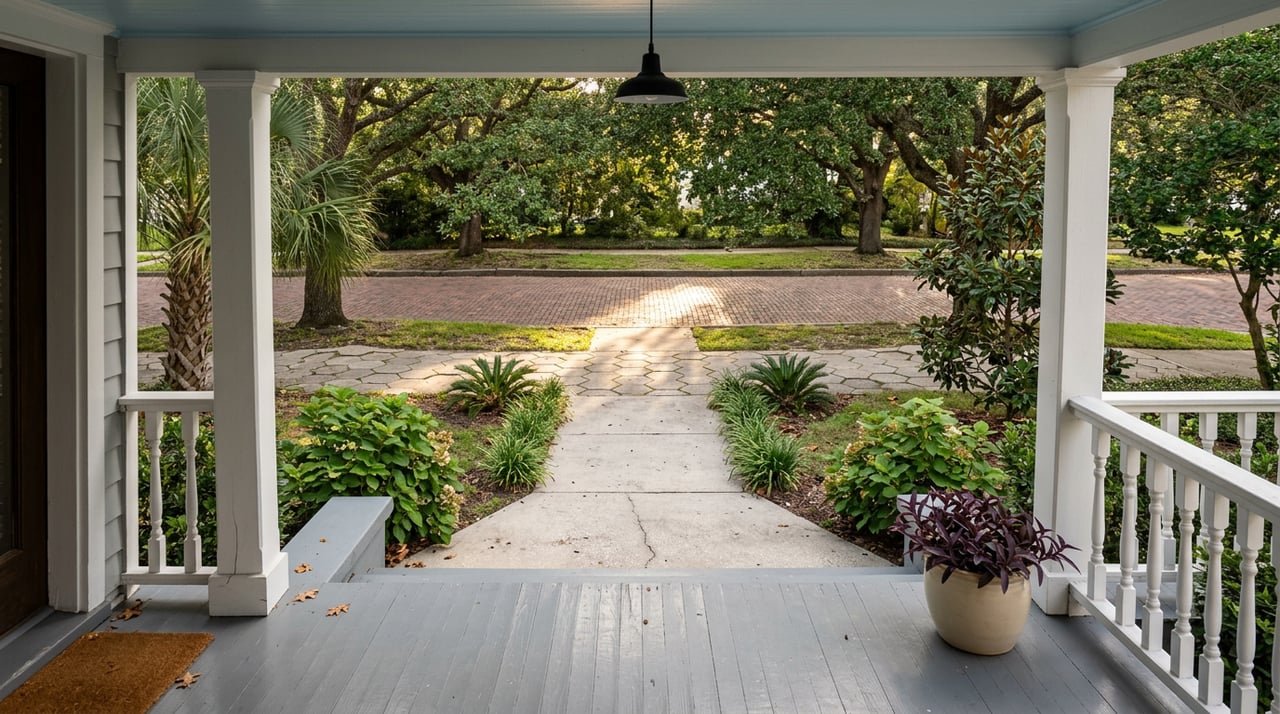
The neighborhood’s historic fabric is part of its appeal. The HONNA teacher guide describes it as a cross-section of 20th-century residential styles, including Craftsman bungalows, Colonial Revival houses, Mediterranean Revival homes, hexagonal sidewalks, and the Coffee Pot Bayou edge.
This is not the same as a modern waterfront condo experience. In Old Northeast, buyers are often drawn to the combination of architecture, mature streets, and proximity to the bayfront and downtown rather than to high-rise amenities.
The daily rhythm in Old Northeast
Old Northeast often feels like a blend of convenience and character. You are close to downtown, but the setting is more residential and rooted in historic design details.
That mix can appeal if you want:
- A single-family or historic-home environment
- Streets with established architectural character
- Access to parks and the bayfront edge
- Better walkability than many purely residential waterfront areas
- A location near downtown without a tower lifestyle
Old Southeast feels smaller and more residential
Old Southeast is another waterfront-adjacent option, but it has its own personality. Compared with downtown and Old Northeast, it reads as smaller in scale and more distinctly residential.
The neighborhood association says Old Southeast has about 500 homes, mostly single-family, with construction dating from the early 1900s through the 1950s. It also notes colored hexagon block sidewalks, original brick paving, proximity to Lassing Park on the bayfront, and a location less than a 20-minute walk from downtown. Walk Score lists Old Southeast at 37 out of 100.
What buyers often notice in Old Southeast
Old Southeast offers a different pace from the busier downtown core. It still gives you access to the bayfront and a relatively close connection to downtown, but the neighborhood form is more about homes, local streets, and a quieter residential setting.
The neighborhood association also notes local food stops and about 20 artist studios, which adds to the area’s local flavor. For buyers who want character and bayfront proximity without high-rise living, that can be part of the appeal.
A practical note on shoreline conditions
Waterfront living also brings practical realities. Old Southeast’s association notes shoreline loss at Lassing Park due to storm damage and sea level rise.
That does not make the area less meaningful or less attractive, but it does remind buyers that bayfront locations come with real environmental considerations. In waterfront home shopping, lifestyle and long-term maintenance should always be considered together.
Snell Isle is more private and car-oriented
Snell Isle stands apart again. It is a waterfront enclave with its own development history, its own harbor presence, and a much more residential feel than downtown.
The Snell Isle Property Owners Association says the neighborhood was developed by C. Perry Snell in the 1920s on what was originally a muddy mangrove island. The local neighborhood guide describes the area as centered on Snell Isle Boulevard, with the Vinoy Golf Club, Coffee Pot Bayou, Smacks Bayou, Tampa Bay, and its own harbor. Walk Score lists Snell Isle at 9 out of 100.
Why Snell Isle feels different
That low Walk Score helps explain the lifestyle difference. Snell Isle is far less about walking to dinner or events and more about a residential setting shaped by water views, neighborhood identity, and private-home living.
For some buyers, that is exactly the point. If downtown feels too active and a condo tower feels too shared, Snell Isle may offer a more private waterfront experience while still staying close to central St. Petersburg.
Canal-front areas bring boating tradeoffs
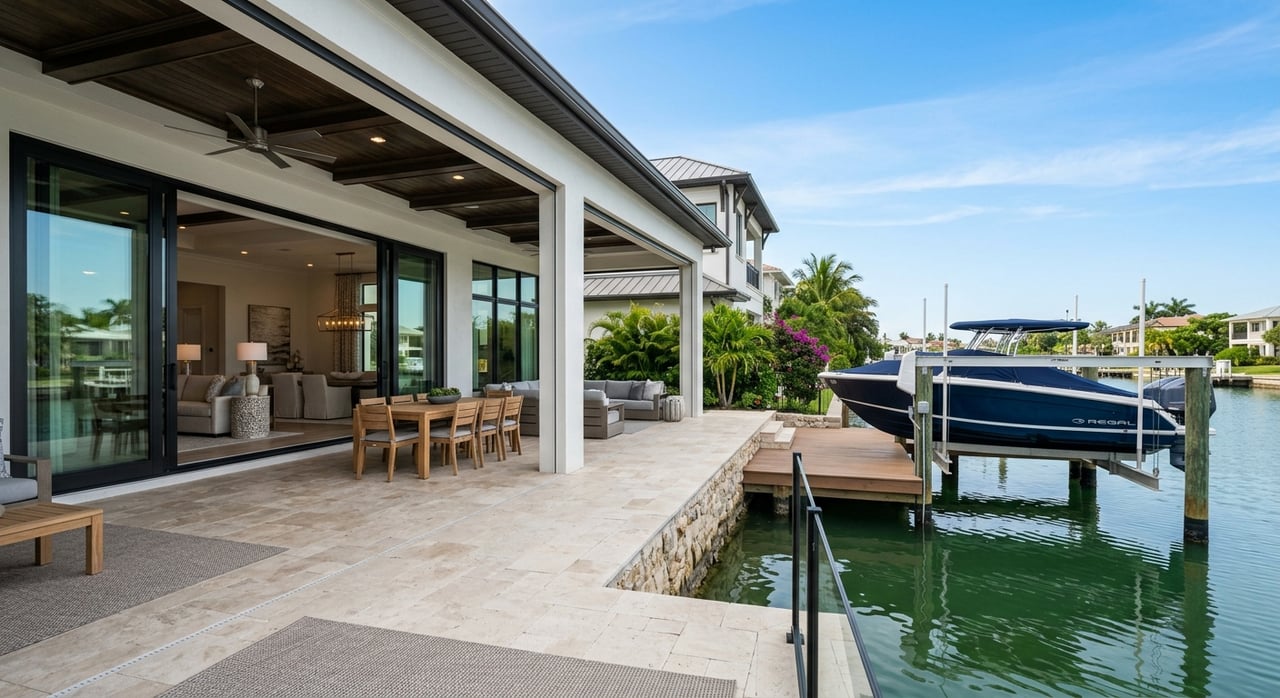
If your main goal is direct water access, canal-front neighborhoods create another category altogether. In these areas, the conversation often shifts from walkability and public waterfront access to dock frontage, seawalls, canals, and the practical side of being on the water.
Shore Acres is a useful comparison point. Walk Score lists it at 15 out of 100, which reflects a more car-dependent setup. The city’s repetitive-loss analysis also says the east subarea relies on several canals and culverts that can be overwhelmed when heavy rainfall happens at the same time as high tide.
What canal-front buyers should weigh
Canal-front living can offer a closer tie to boating and dock use, but it may also require more planning around property conditions and maintenance. Compared with a downtown condo, the ownership experience can be more hands-on.
Key things to think about include:
- Whether you want private dock potential or are comfortable with marina access
- The condition and role of seawalls and shoreline features
- The neighborhood’s daily convenience level
- Drainage and water-management realities
- How much exterior maintenance you want to handle
Boating access changes by neighborhood
One of the biggest mistakes buyers make is assuming all waterfront addresses support the same boating lifestyle. In St. Petersburg, boating access varies widely depending on where you are.
The St. Petersburg Yacht Club lists a downtown marina at 50 Bayshore Drive and a Snell Isle Marina at 1305 Snell Isle Boulevard, along with Pass-A-Grille dockage. The city’s boat-ramp rules identify public ramps at Demens Landing, Jungle Prada, Maximo Park, and Crisp Park.
Marina access versus private dock living
This difference can shape your search more than buyers expect. In a downtown setting, you may prioritize marina proximity and public waterfront access without needing a private dock.
In bayou- or canal-front neighborhoods, buyers are often more focused on dock frontage, seawalls, and launch potential. Neither option is better across the board. The right fit depends on how you actually want to use the water.
How to choose the right waterfront fit
If you are comparing St. Petersburg waterfront neighborhoods, it helps to think in terms of lifestyle patterns instead of broad labels. The word “waterfront” can describe a high-rise condo near parks and restaurants, a historic home near Coffee Pot Bayou, or a canal-front property with a very different maintenance profile.
A simple way to narrow your options is to ask yourself what matters most day to day.
Choose downtown if you want convenience
Downtown may be the best fit if your priority is walkability, shared amenities, and easy access to parks, dining, arts, and the bayfront public realm.
Choose historic areas if you want character
Historic Old Northeast and Old Southeast may stand out if you want architectural character, established streets, and a more residential setting near the water.
Choose enclaves or canals if water use comes first
Snell Isle or canal-front areas may make more sense if your focus is privacy, dock potential, boating use, or a quieter residential rhythm, and you are comfortable with the tradeoffs that come with lower walkability and more property upkeep.
St. Petersburg’s waterfront neighborhoods do not compete on one single scale. They serve different goals, and the best move is the one that matches how you want to live, not just how close you want to be to the water.
If you want help comparing St. Petersburg waterfront neighborhoods, condos, or luxury homes, the team at Orns Solution can help you narrow the options and make a confident move.
FAQs
How is downtown St. Petersburg waterfront living different from other waterfront neighborhoods?
- Downtown waterfront living is more vertical, walkable, and amenity-driven, with condo towers, public waterfront parks, and close access to dining, museums, and the Pier.
What makes Historic Old Northeast different from downtown St. Petersburg?
- Historic Old Northeast offers a more residential setting with historic homes, brick streets, granite curbs, and proximity to Coffee Pot Bayou, while downtown centers more on condo living and walkability.
Is Old Southeast close to downtown St. Petersburg?
- Yes. The Old Southeast neighborhood association says the area is less than a 20-minute walk from downtown, while still feeling smaller and more residential.
How walkable is Snell Isle compared with downtown St. Petersburg?
- Walk Score lists Snell Isle at 9 out of 100 and Downtown St. Petersburg at 90 out of 100, showing a major difference in day-to-day convenience without a car.
What should buyers consider in St. Petersburg canal-front neighborhoods?
- Buyers should consider dock and seawall needs, drainage and flood-related realities, maintenance levels, and whether the lifestyle tradeoff works better for them than a walkable condo or historic-home setting.
Does every St. Petersburg waterfront neighborhood support the same boating lifestyle?
- No. Some areas are better suited to marina access and public waterfront use, while others may be more focused on private dock frontage, canal access, or direct launch potential.