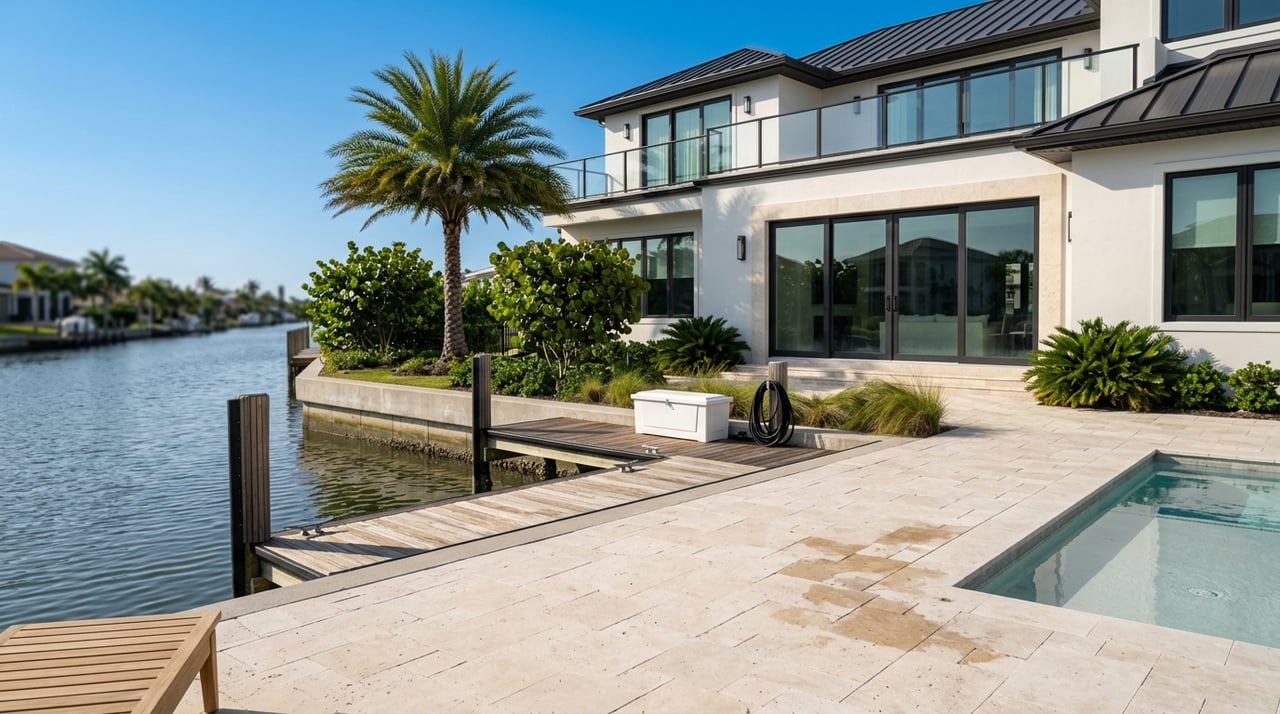
If waterfront living is on your shortlist, Clearwater and Palm Harbor can both look appealing at first glance. But once you dig in, you will see that these areas offer very different day-to-day experiences, home styles, and ownership considerations. This guide will help you compare the lifestyle, housing options, boating access, and practical costs that matter most so you can choose with more confidence. Let’s dive in.
Clearwater vs Palm Harbor Waterfront
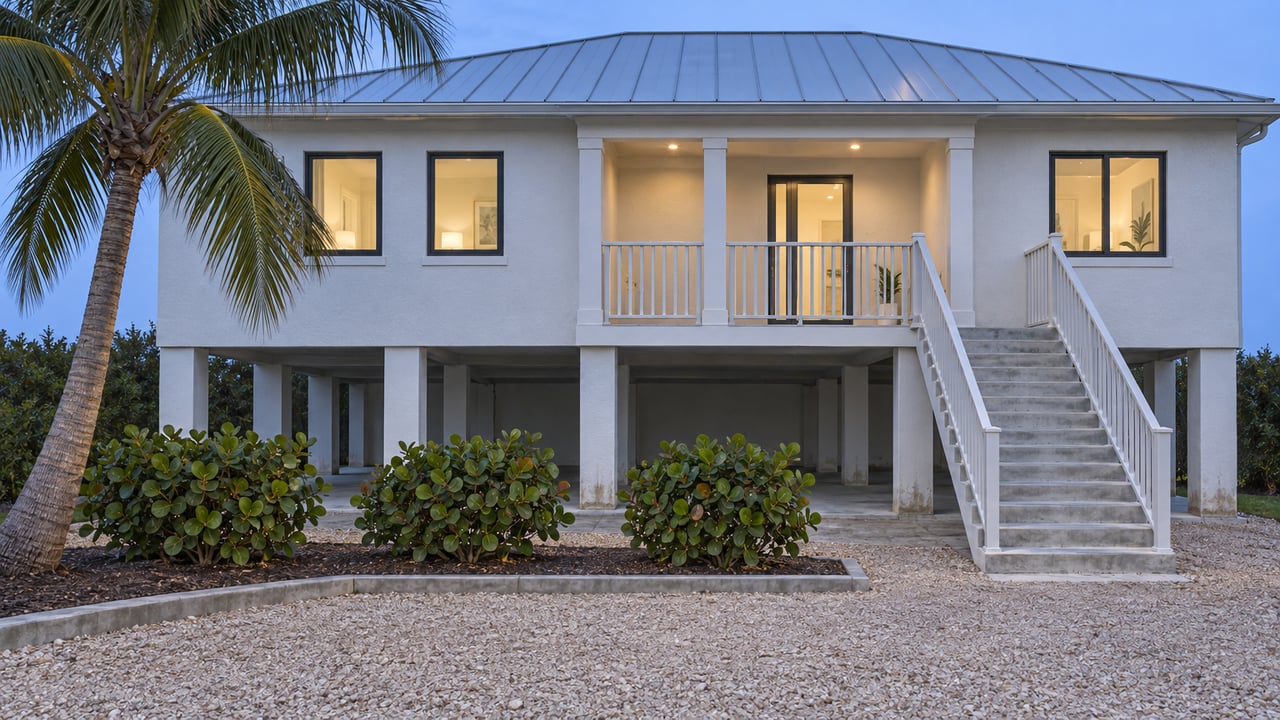
Living on the water in Clearwater and Palm Harbor is not one single experience. Each area has smaller waterfront pockets with their own rhythm, housing mix, and access to the water.
In Clearwater, waterfront living often means a more active environment with marina access, mixed-use surroundings, and stronger tourism energy. In the Palm Harbor area, waterfront communities often feel more residential and local, with older homes and a quieter pace.
A useful way to think about the choice is this: Clearwater often suits buyers who want action, convenience, and a resort-adjacent setting. Palm Harbor-area waterfront often fits buyers who want a neighborhood-first feel and a more classic Old Florida atmosphere.
Clearwater Waterfront Lifestyle
Clearwater has several distinct waterfront settings, and they do not all feel the same. The city describes Clearwater Beach and Downtown Clearwater as early-to-mid 20th century areas with walkable conditions, gridded streets, and mixed-use building types, while newer areas are generally more auto-oriented.
That matters when you tour homes. A waterfront condo near beach activity, a canal-front property in Island Estates, and a home near Downtown Clearwater can each offer a very different daily routine.
Clearwater Beach Character
Clearwater Beach is both a major destination and a residential area. The city notes that it is home to more than 8,000 families while also functioning as a world-famous tourism market.
That mix creates a lifestyle that many buyers love. You may be close to dining, marina activity, and a lively public beach environment, but you should also expect a busier setting with parking and traffic considerations.
The city’s Beach by Design plan breaks Clearwater Beach into multiple character districts rather than treating it as one uniform neighborhood. In the Old Florida district, buyers can expect a transition area that includes older small-lot homes, attached residential options, and taller resort or condo development.
Island Estates Living
Island Estates is one of Clearwater’s most concentrated waterfront neighborhoods. According to the city, almost every property there is on the water, and the neighborhood includes both single-family homes and multi-story condominiums.
The area was created through dredge-and-fill in the 1950s and 1960s, and lot sizes vary. The city notes that southern lots are generally smaller than northern lots, which helped allow for larger and newer homes farther north.
For many buyers, Island Estates checks the right boxes for boating and views. At the same time, the city notes one practical trade-off: the neighborhood has only one ingress and egress via Memorial Causeway, so traffic delays can affect daily convenience.
Palm Harbor Waterfront Lifestyle
In the Palm Harbor area, waterfront living often feels quieter and more rooted in older residential communities. County historic-resource documents point to Crystal Beach, Ozona, and Palm Harbor as older, mostly residential areas.
That difference shows up quickly when you explore the area in person. Instead of a stronger resort atmosphere, you may find a slower pace, smaller-scale streetscapes, and homes with more historic character.
Crystal Beach and Ozona Feel
Crystal Beach is described by the county as a small, largely residential community with an Old Florida feel. It also has a public waterfront path along St. Joseph Sound, which adds to the area's appeal for buyers who value outdoor access without needing a private dock.
The county also describes Ozona as a rare surviving pioneer-era settlement. Together, Crystal Beach and Ozona help explain why the Palm Harbor-area waterfront often feels more local and less tourism-driven than Clearwater Beach.
Older Home Styles in Palm Harbor
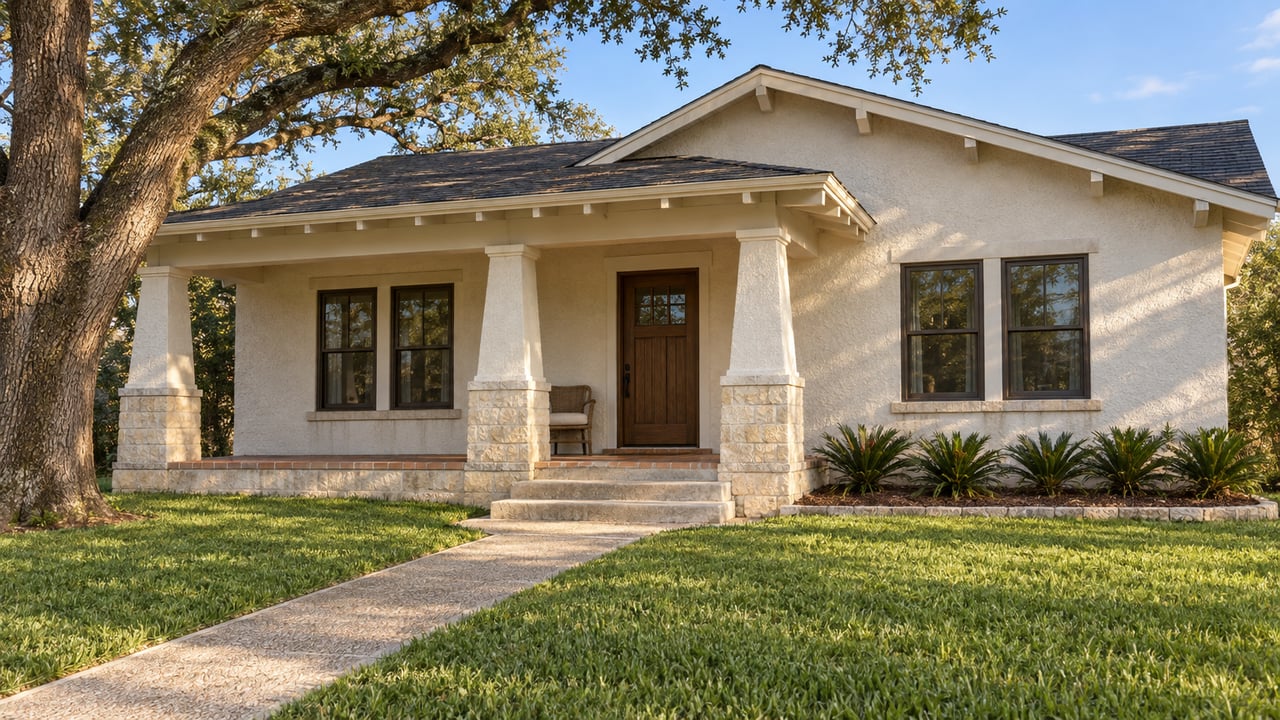
The county’s historic survey notes that many surviving homes in Crystal Beach, Ozona, and Palm Harbor are wood-frame single-family houses from the 1900 to 1930 era. Craftsman and Bungalow styles are common in that historic housing mix.
If you are drawn to charm, architectural detail, and a less uniform streetscape, these communities may stand out. If you prefer newer construction or a more polished resort-style setting, parts of Clearwater may align more closely with your goals.
Boating and Water Access
Waterfront buyers often focus on views first, but access matters just as much. The boating experience can vary quite a bit depending on whether you want a private dock, easy marina access, or a strong public ramp option.
Clearwater Boating Options
On the Clearwater side, buyers can encounter Gulf-facing, bay-facing, Intracoastal, canal, marina, and neighborhood-waterfront settings. That range gives you more ways to match the property to your boating habits.
Clearwater Harbor Marina sits next to Coachman Park and is accessible from the Intracoastal Waterway at the Memorial Causeway Bridge. The city says it has 126 slips, transient mooring, and slips for boats from 30 to 55 feet on a first-come, first-served basis.
The city also points to Clearwater Beach Marina for charters, cruises, rentals, and sightseeing, as well as public boat slips behind Island Way Grill in Island Estates. If you want an area with visible boating infrastructure and multiple ways to get on the water, Clearwater has strong appeal.
Clearwater also offers the Seminole Street Boat Ramp, which is open 24 hours a day and includes eight launches. That can be useful if you want flexibility without relying entirely on private dock ownership.
Palm Harbor Launch Access
In Palm Harbor, Sutherland Bayou Boat Ramp offers direct access to St. Joseph Sound and the Gulf. Pinellas County says the ramp includes 50 vehicle-and-trailer parking spaces, a rinse area, restrooms, and 24-hour access.
For some buyers, that public access is a major advantage. If you plan to launch often but do not necessarily want the cost and upkeep of a private dock, this kind of setup can make the lifestyle easier.
A Bridge Clearance Detail to Check
One boating detail is easy to miss during a showing. Clearwater notes that high tides can reduce clearance under fixed bridges, so buyers with canal or bridge-dependent access should check tides before heading out.
That may sound minor, but it can shape how convenient a waterfront home feels over time. A beautiful dock setup is only part of the picture if timing and navigation regularly affect your use of the boat.
Waterfront Costs and Ownership Realities
The view is the fun part. The long-term cost of owning waterfront property is where smart buyers separate emotion from strategy.
Flood Zones and Evacuation Zones
Pinellas County says everyone in the county is in a flood zone, and it treats flood zones, evacuation zones, and storm surge as separate measures. That means you should review all three for any property you are considering.
The county also says high-risk areas have a 1% or greater chance of flooding in any given year. Homes in high-risk zones with federally backed mortgages must carry flood insurance.
Before you write an offer, verify the exact property rather than relying on a general neighborhood reputation. Pinellas County identifies FEMA’s Flood Map Service Center as the official source for flood-hazard mapping products.
Sunny-Day Flooding Matters
In Clearwater, flooding is not only a storm issue. The city says sunny-day flooding can happen without rainfall, often during high tides or periods of elevated groundwater, and that it is becoming more common in coastal communities like Clearwater.
The city also notes that king tides can increase flooding impacts and raise maintenance and long-term repair costs, especially in low-lying or tidally influenced areas. For waterfront buyers, this is not a side note. It is part of the ownership equation.
Insurance and Carrying Costs
Flood insurance is usually separate from a standard homeowners or renters policy. Pinellas County says most homeowners and renters insurance policies do not cover flood damage, and flood coverage is available separately through the NFIP or private insurers.
That is why insurance quotes should come early in your search, not after you are under contract. A home that looks perfect on paper can feel very different once you understand the true monthly carrying cost.
Florida’s Office of Insurance Regulation also notes that wind-mitigation techniques can create premium savings and encourages consumers to use qualified inspectors. For buyers comparing multiple waterfront options, that can be another useful variable to review.
Docks, Seawalls, and Permits
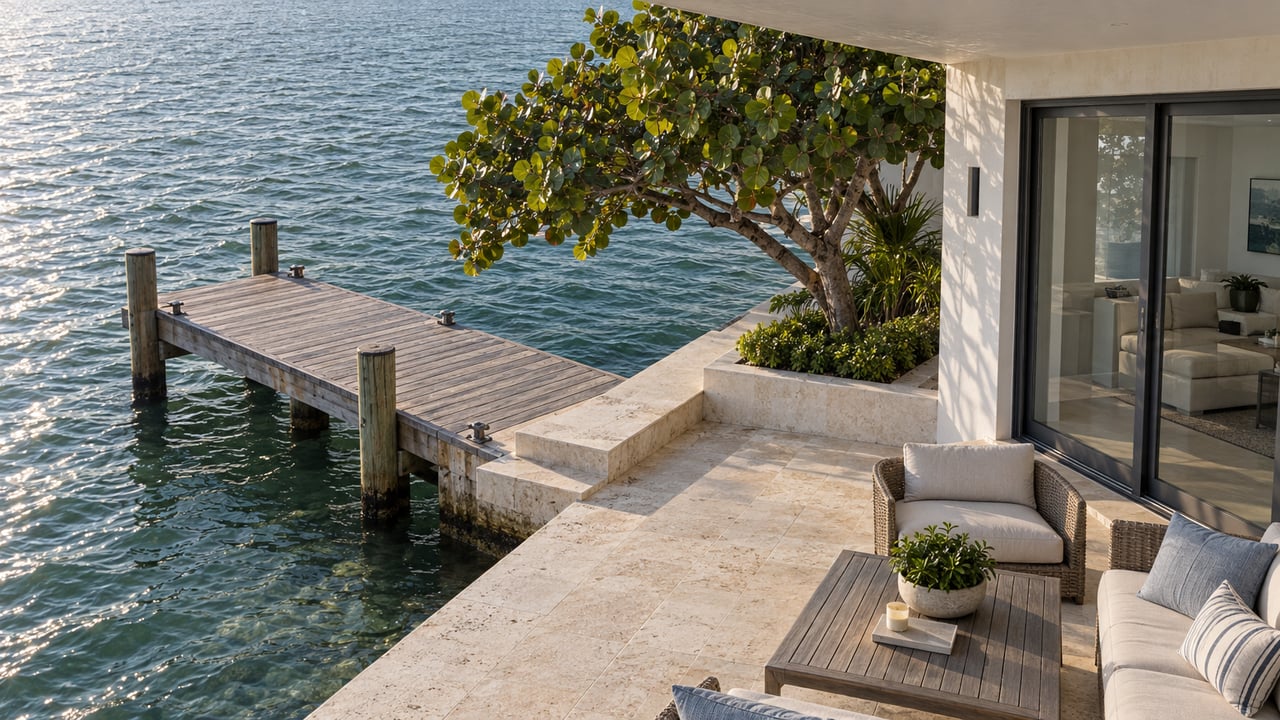
Waterfront ownership often includes structures that need maintenance and, in some cases, permits. If a property has a dock, seawall, riprap, dredging, or fill work, Pinellas County says those projects require Water and Navigation permits.
As of July 1, 2024, dock and dredge-and-fill applications are submitted online through the county’s Access Portal. Clearwater also requires city pre-approval before applying to the county for this type of work.
On beachside properties or homes near sandy shoreline areas, another rule may apply. Florida’s Coastal Construction Control Line program regulates structures and activities that may cause beach erosion, destabilize dunes, or interfere with public access.
This means some exterior work on beach-adjacent homes may involve another layer of review beyond a standard remodel. Buyers should ask early about permit history and whether any prior shoreline improvements were properly approved.
Seawall Maintenance and Alternatives
Island Estates' neighborhood plan highlights the importance of timely repair for damaged seawalls, docks, and pilings. The same plan also notes concerns about canal misuse and boat noise, which can affect how the area functions day to day.
Pinellas County also promotes living shorelines as a less expensive and more sustainable alternative to traditional seawalls. The county says homeowners with existing seawalls may be able to add living-shoreline elements in front of them to help extend seawall life.
Which Waterfront Fit Is Right for You?
If you want a busier waterfront setting with strong marina access, mixed-use convenience, and proximity to dining and beach activity, Clearwater may be the stronger fit. That is especially true if you are drawn to Clearwater Beach or Island Estates.
If you want a more residential atmosphere with historic character and a quieter day-to-day pace, Palm Harbor-area waterfront may feel more natural. Crystal Beach and Ozona often appeal to buyers looking for local character over resort energy.
Neither choice is automatically better. The right fit depends on how you want to spend your time, how often you plan to boat, and how comfortable you are with the maintenance and insurance realities that come with living on the water.
Smart Questions to Ask Before You Offer
Before making an offer on a waterfront home in Clearwater or Palm Harbor, make sure you confirm the details that matter most:
- Verify the exact flood zone and evacuation zone
- Request any dock or seawall permit history
- Ask about maintenance responsibilities for shoreline structures
- Get insurance quotes early
- Review condo or HOA documents if the property is in a managed community
- Consider whether public launch access could work as well as a private dock
- Check whether bridge clearance or tides affect boating access
A waterfront purchase should support your lifestyle, not surprise you later with avoidable costs or restrictions. The more clearly you understand the property before you buy, the stronger your decision will be.
If you are comparing waterfront options in Clearwater or Palm Harbor, working with a team that understands pricing, coastal ownership details, and neighborhood differences can make the process much smoother. Orns Solution can help you evaluate the trade-offs, focus on the right fit, and move forward with clarity.
FAQs
What is the difference between waterfront living in Clearwater and Palm Harbor?
- Clearwater often offers a more active waterfront environment with marina access, mixed-use areas, and tourism energy, while Palm Harbor-area waterfront often feels quieter, older, and more residential.
What types of waterfront homes can you find in Clearwater?
- Buyers in Clearwater may see canal-front homes, Gulf-facing properties, bay-facing homes, condos, marina-adjacent residences, and neighborhoods like Island Estates where almost every property is on the water.
What waterfront communities stand out near Palm Harbor?
- Crystal Beach and Ozona are two notable Palm Harbor-area waterfront communities, known for their older residential character, local feel, and connection to St. Joseph Sound.
What should you check before buying a waterfront home in Pinellas County?
- You should verify the exact flood zone and evacuation zone, review permit history for docks or seawalls, confirm maintenance obligations, get insurance quotes early, and review any HOA or condo documents.
Does flood insurance matter for waterfront homes in Clearwater and Palm Harbor?
- Yes. Pinellas County says most homeowners and renters insurance policies do not cover flood damage, so flood coverage is usually a separate policy and should be part of your budget planning.
Are there public boat ramps for buyers who do not want a private dock?
- Yes. Clearwater has the Seminole Street Boat Ramp, and Palm Harbor has Sutherland Bayou Boat Ramp, which offers direct access to St. Joseph Sound and the Gulf.
Do waterfront homes in Clearwater have extra maintenance concerns?
- They can. The city notes issues such as sunny-day flooding, king tide impacts, and the need for timely repair of seawalls, docks, and pilings, especially in tidally influenced areas.
Is Clearwater Beach more residential or more tourism-driven?
- It is both. The city describes Clearwater Beach as a major tourism destination and also home to thousands of families, so buyers should expect a blend of residential living and visitor activity.