Wondering whether your Tampa condo should come with skyline views or quieter, tree-lined streets? That choice shapes more than your address. It affects your commute, your weekends, your noise level, and how your daily routine feels. If you are deciding between downtown and suburban condo living in Tampa, this guide will help you compare the trade-offs with more clarity. Let’s dive in.
Tampa Condo Living Starts With Lifestyle
In Tampa, downtown and Channelside offer a more urban condo experience. City planning documents describe these areas as higher-density neighborhoods with compact vertical living and a mix of condominiums, apartments, and townhomes. The downtown core, Harbor Island, and the Channel District are built around a live-work-play pattern that puts homes close to restaurants, offices, public spaces, and entertainment.
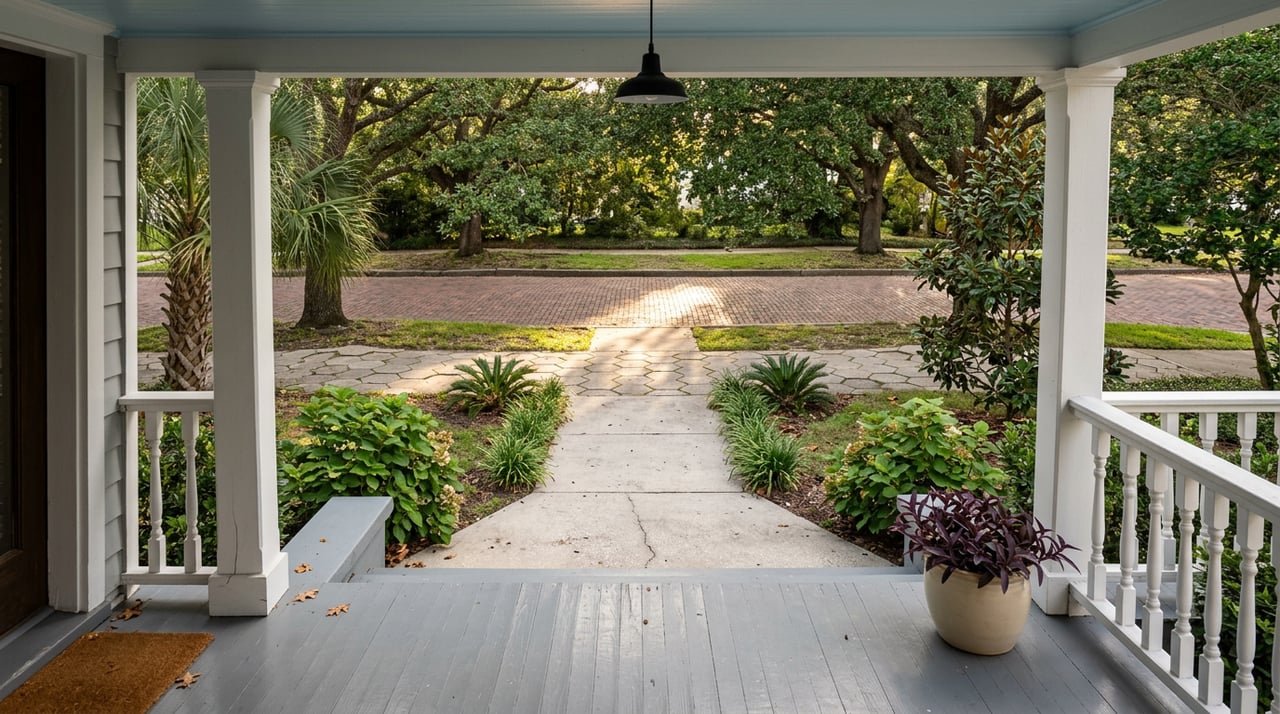
Nearby alternatives often feel more residential. Areas such as Hyde Park, Beach Park, Ballast Point, and Westshore Palms are described in city materials as lower-density or more traditional neighborhood settings, with more building separation and less emphasis on transit. If you want a condo without the full urban pace, these areas may offer a different fit.
Downtown Tampa Condo Living
Downtown Tampa is designed for people who want convenience close at hand. The city describes downtown as a waterfront district with nightlife, parks, cultural venues, and sports and entertainment options. Along the Riverwalk, you have access to parks, museums, public gathering spaces, and water-oriented attractions that can become part of your normal routine.
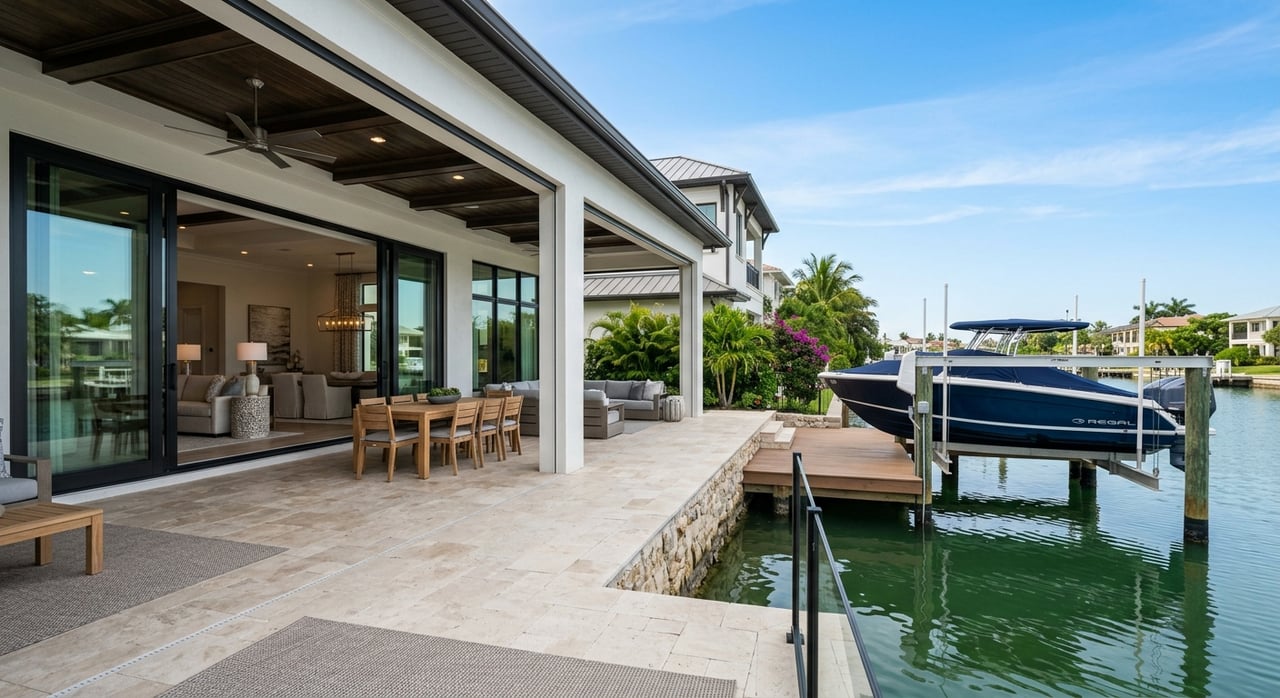
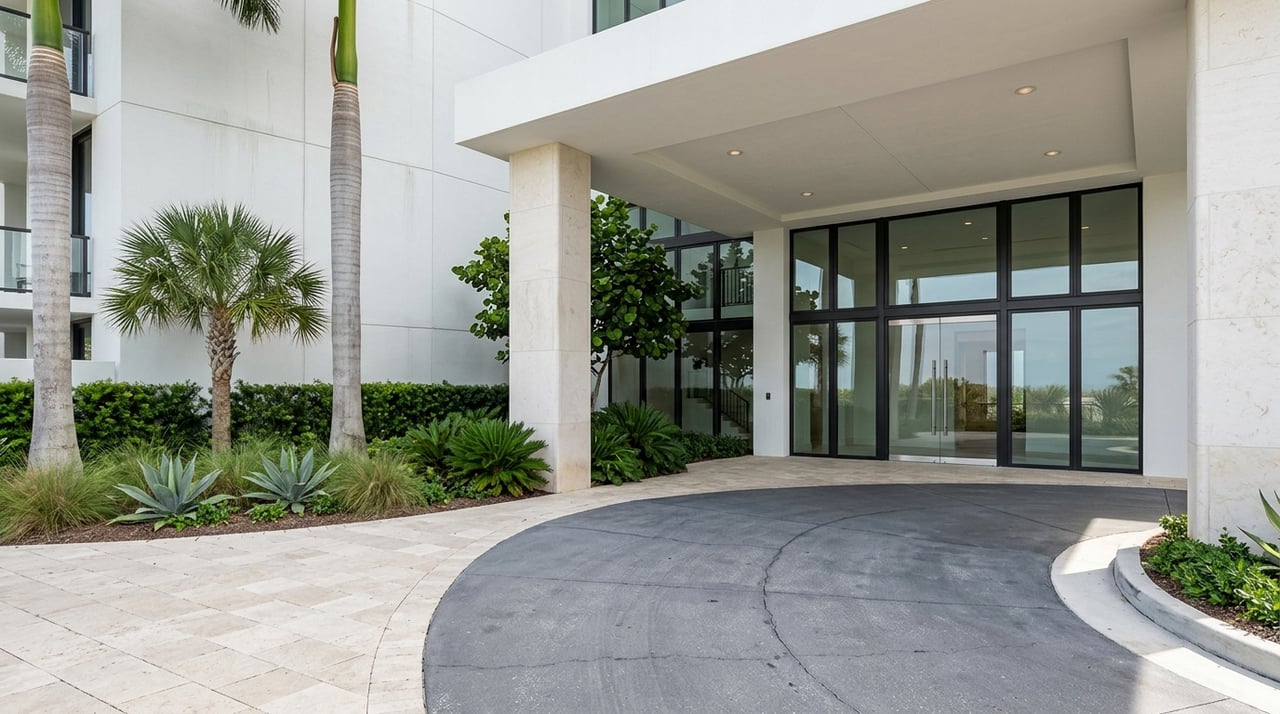
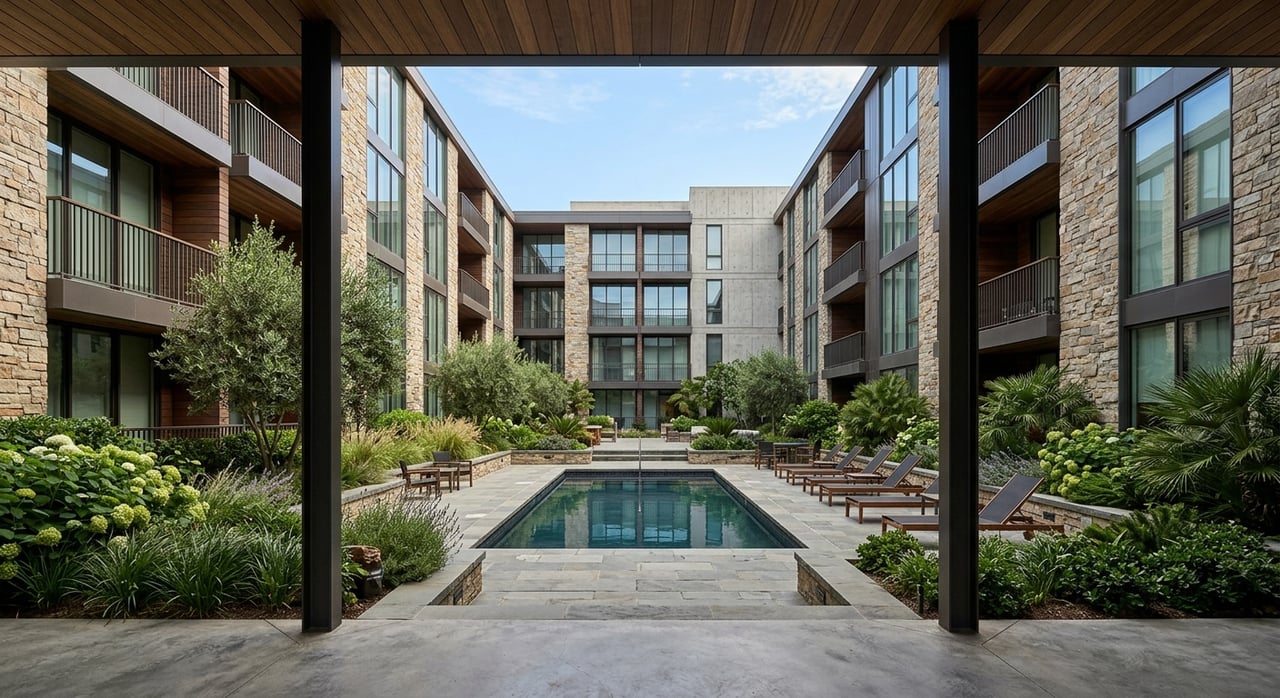
The condo inventory here tends to reflect that urban setting. In downtown and the Channel District, you will find more mid-rise and high-rise buildings, along with newer tower-style development. Water Street Tampa continues that pattern with residences placed near retail, restaurants, offices, hotels, and public spaces.
Best Fit for Daily Convenience
If you work in or near the urban core, downtown living can simplify your day. The TECO Line Streetcar connects Downtown Tampa, the Channelside District, and Ybor City, and it runs every 15 minutes. The city also groups the streetcar with other downtown transportation options, which supports a more car-light lifestyle than you will usually find in Tampa’s more suburban neighborhoods.
That does not mean you have to give up driving. The Selmon Expressway feeds directly into downtown and serves as a commuter route from Brandon, west Hillsborough, and Pinellas County. If your schedule mixes office trips, airport runs, and evening plans, the central location can be a practical advantage.
What to Expect Day to Day
Downtown and Channelside often feel energetic. Because these areas are tied to nightlife, waterfront activity, entertainment, and events, you may notice more foot traffic, busier streets, and occasional congestion on event days. In some buildings, nearby construction and traffic patterns may also affect the experience.
For some buyers, that energy is a major plus. For others, it can feel like too much after the first few months. The key is to think honestly about how much activity you want around you on a normal Tuesday, not just on a fun Saturday night.
Suburban Condo Living Near Tampa
If downtown feels too intense, Tampa has several close-in areas that offer a calmer rhythm. Hyde Park, Beach Park, Ballast Point, and Westshore Palms are often part of that conversation because they give you access to Tampa amenities without placing you in the center of the urban core. These neighborhoods are generally associated with a more residential atmosphere and less vertical intensity.
That difference changes how your condo experience feels. You may trade some walkability and density for more tree cover, more predictable parking, and quieter mornings. For many buyers, that trade is worth it.
A More Residential Pace
Tampa’s planning framework notes that suburban neighborhoods developed with more auto-oriented patterns and less focus on pedestrian or transit access. In practical terms, that usually means you will rely more on your car for errands, work, and social plans. Your building may feel less tied to a single central district and more tied to the surrounding neighborhood fabric.
Beach Park is described by the city as having large oaks, winding streets, and very large lots. Ballast Point offers waterfront access and a residential feel. Historic Hyde Park is shaded, historic, and located across the river from downtown, making it appealing for buyers who want character and a central location without living in a high-rise district.
Green Space Looks Different Here
One of the biggest differences between downtown and suburban condo living is how outdoor space shows up in your life. Downtown’s green space is more civic and connected, with the Riverwalk linking parks such as Curtis Hixon, Julian B. Lane, Water Works, and Cotanchobee. That setup is great if you like walking through active public spaces near attractions and waterfront views.
In South Tampa and nearby residential areas, the outdoor experience is broader and more trail-oriented. City materials note a South Tampa Greenway plan that includes more than 14.5 miles of off-road greenway and about 3.75 miles of on-road bike lanes or routes. Add in places like Ballast Point Park, Bayshore Boulevard Trail, Cypress Point Park, and Picnic Island Park, and the suburban side can feel more relaxed and spread out.
Key Differences to Compare
Before you start touring, it helps to compare the two lifestyles side by side.
| Factor | Downtown and Channelside | Nearby Suburban Areas |
|---|---|---|
| Lifestyle | Urban, active, dense | Residential, quieter, lower-density |
| Building style | More mid-rise and high-rise condos | Less vertical, more separation between buildings |
| Transportation | Better for walking, streetcar use, and shorter trips | More car-dependent |
| Amenities | Strong concentration of dining, entertainment, and waterfront attractions | More neighborhood-scale retail, parks, and local routines |
| Noise level | More foot traffic, events, and congestion | Often calmer, though location still matters |
| Outdoor feel | Riverwalk and civic waterfront parks | Broader parks, trails, and tree cover |
Which Condo Setting Fits You Best?
The right answer depends on how you want your life to function, not just how you want your condo to look online. A beautiful tower with great amenities can still feel wrong if you need quiet mornings and easy parking. On the other hand, a peaceful residential setting can feel limiting if you want to walk to dinner, events, and waterfront attractions.
Downtown or Channelside may be the better fit if you:
- Work downtown or near the urban core
- Want more walkable daily routines
- Like being close to dining, entertainment, and waterfront activity
- Prefer high-rise or newer tower-style condo options
- Value convenience over quiet
A suburban or close-in residential area may be the better fit if you:
- Want a calmer environment day to day
- Prefer more tree cover and a neighborhood feel
- Need easier resident or guest parking
- Do not mind driving more often
- Want low-maintenance condo living without full urban intensity
Questions to Ask Before Touring Tampa Condos
A smart condo search goes beyond finishes and views. In Tampa, building details can affect your costs and your long-term comfort just as much as location.
For buildings that are three stories or more, the city says milestone inspections are required at 30 years of age and every 10 years after that. That makes it important to ask whether required inspections have been completed and whether any repairs or special assessments may be coming.
Bring these questions with you when touring:
- How many daily errands can realistically be done on foot, by bike, or by streetcar?
- What does the HOA fee include?
- How often have HOA fees changed in recent years?
- Are there pending special assessments, reserve shortfalls, or major capital projects?
- Is parking assigned, deeded, or shared?
- How easy is parking for guests?
- What kind of noise comes from nightlife, traffic, highways, construction, or nearby events?
- What is the building’s flood, wind, and insurance profile?
- Are there pet rules, rental restrictions, storage limits, or elevator wait issues that could affect daily life?
- Which nearby parks, grocery stores, and commuter routes actually support your routine?
How to Make the Right Tampa Condo Choice
The best condo decision usually comes down to pattern matching. You are not just choosing between downtown and suburban Tampa. You are choosing the version of everyday life that feels easier, calmer, and more enjoyable for you.
If you want a live-work-play setup with easier access to downtown attractions, transit options, and high-rise inventory, downtown or Channelside may make the most sense. If you want a more residential setting with quieter streets, more green space, and a lower-density feel, nearby areas like Hyde Park, Beach Park, Ballast Point, or Westshore Palms may be worth a closer look.
When you are ready to compare Tampa condo options with a strategy that matches both your lifestyle and the fine print, Orns Solution can help you narrow the search and move forward with confidence.
FAQs
Is downtown Tampa good for condo buyers who want to walk more?
- Yes. Downtown and Channelside support a more car-light lifestyle, with the TECO Line Streetcar connecting Downtown Tampa, the Channelside District, and Ybor City, plus access to downtown attractions and services.
Are suburban Tampa condo areas usually quieter than downtown?
- Often, yes. Lower-density residential areas such as Beach Park, Ballast Point, and similar neighborhoods typically feel more residential, though noise still depends on the exact building location.
What Tampa neighborhoods are often compared with downtown condo living?
- Buyers often compare downtown and Channelside with nearby areas such as Hyde Park, Beach Park, Ballast Point, and Westshore Palms when deciding between urban and more residential condo lifestyles.
What should you ask about a Tampa condo building before making an offer?
- Ask about HOA fees, fee increases, special assessments, reserves, required milestone inspections, parking setup, insurance profile, rental or pet rules, and the realistic day-to-day noise and commute experience.
Do Tampa condo buyers need to ask about milestone inspections?
- Yes. In Tampa, condo buildings three stories or more require milestone inspections at 30 years of age and every 10 years after that, so you should ask whether inspections are complete and whether repairs are pending.